

Private Jet Ownership has become the ultimate definition of luxury for individuals who shape global economic currents. In this elite stratum, luxury no longer resides in tangible designer goods; rather, it is measured by a priceless asset: absolute time and freedom.
While traditional commercial First Class flights remain bound by fixed schedules, tedious check-in procedures, and shared spaces, private aviation emerges as the ultimate declaration of autonomy. Owning or experiencing a private jet is not merely choosing a faster mode of transportation; it is how the global elite master their time, safeguard corporate strategies, and enjoy the art of “Quiet Luxury” at 45,000 feet. This comprehensive guide opens the gateway into the world of these ultimate symbols of skyward power.
The journey of private aviation did not begin with opulence, but rather from the urgent need of post-WWII entrepreneurs to reconnect global trade.
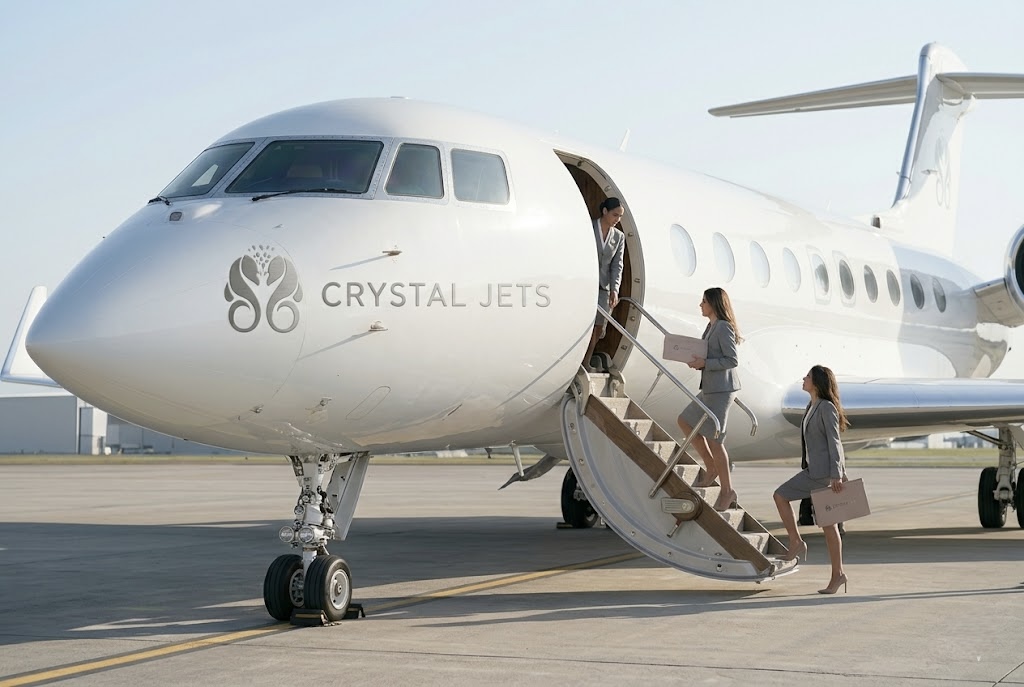
The contemporary luxury aviation market is an exclusive playground dominated by four legendary names, each representing a distinct philosophy of design and cutting-edge engineering:
If there is one name universally recognized as the gold standard for global tycoons, it is Gulfstream. The American manufacturer is world-renowned for its signature large oval windows, which flood the cabin with natural light and significantly reduce jetlag.
The Canadian manufacturer stands as Gulfstream’s direct challenger in the Ultra-Long-Range segment. Bombardier’s philosophy centers on an exceptionally smooth flight experience, made possible by its flexible wing architecture and the revolutionary Nuage seating—an innovation in aerial ergonomic design that offers perfect body support.
Carrying the bloodline of the famous Rafale fighter jet manufacturer, Dassault’s Falcon business jets boast incredible fuel efficiency and remarkable takeoff/landing capabilities on short runways or challenging high-altitude terrains.
Owned by Textron, Cessna Citation dominates the light and mid-size private jet segments through high practicality, optimized operating costs, and outstanding reliability.
📌 Read more: The Battle of the Skies: An In-Depth Comparison of the Gulfstream G700 vs. Bombardier Global 7500 – Who Rules the Realm of Elite Aviation? 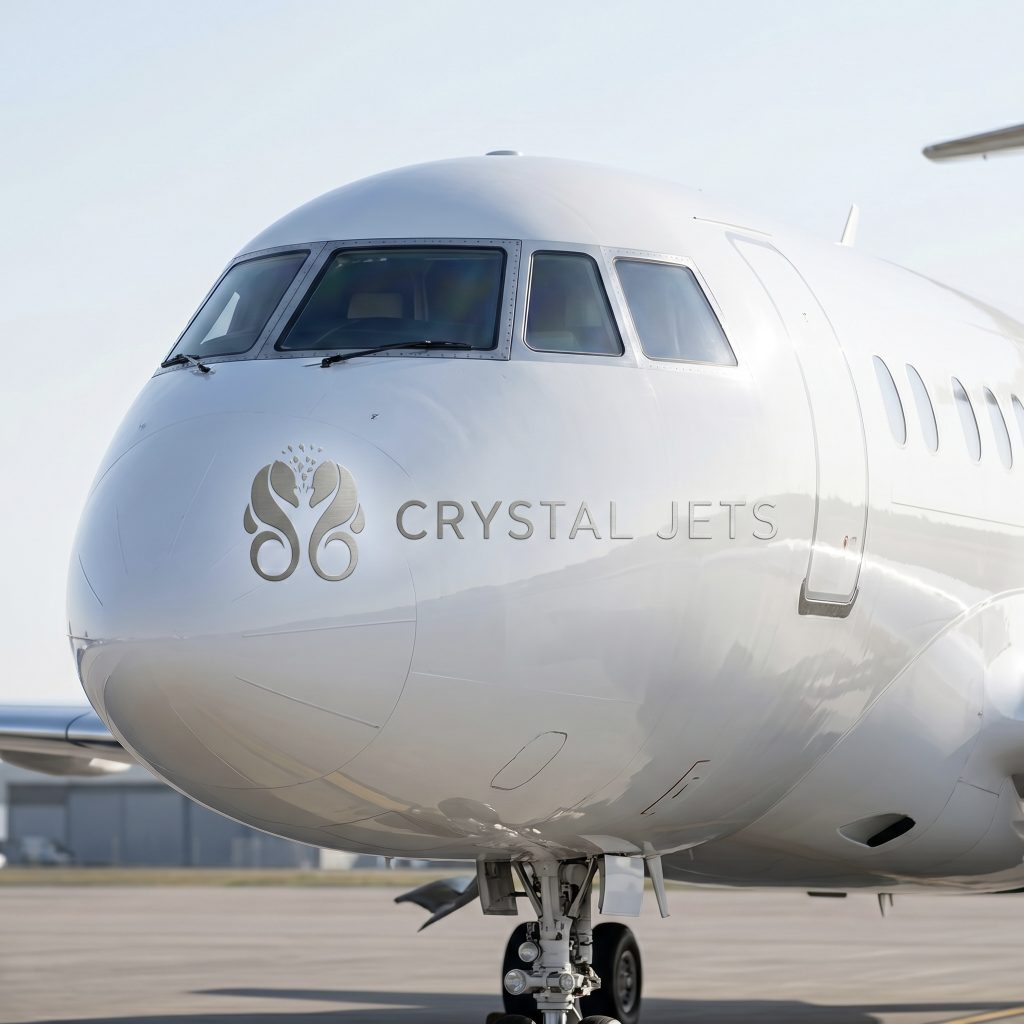
Stepping into the world of private aviation, executives and magnates must constantly solve the equation of cash flow optimization. Three primary models define the modern experience:
| Criteria | Whole Ownership | Fractional Ownership | Private Jet Charter |
| Concept | You own 100% of the aircraft under an individual or corporate name. | You purchase a percentage share of an aircraft (e.g., 1/16, 1/4) from a fleet manager. | You pay based on actual flight hours utilized for each specific journey. |
| Advantages | Ultimate operational control; Freedom for bespoke interior personalization; Aircraft is available 24/7. | Lower upfront capital investment; Zero hassle regarding crew management; Right to upgrade/downgrade jet models. | Absolute flexibility; No annual fixed overhead costs; Ability to swap aircraft sizes based on passenger count. |
| Disadvantages | Immense initial capital expenditure; Bearing the full burden of operating costs and asset depreciation. | Monthly management fees still apply; Booking required well in advance during peak travel seasons. | Premium pricing per flight hour; Subject to market fleet availability. |
| Ideal Frequency | Flying over 150 – 200 hours per year. | Flying between 50 to 150 hours per year. | Flying under 50 hours per year. |
Every model possesses its own strategic edge. Whole ownership is a statement of supreme stature, fractional ownership is a smart economic choice, while chartering remains the ultimate flexible tool for spontaneous journeys. 📌 Read more: Asset Depreciation and the Art of Cash Flow Optimization: Monetizing Your Private Jet Through Luxury Charters
A private jet cannot take off without a complex operational ecosystem supporting it from behind the scenes. Managing an aviation asset worth tens of millions of dollars requires rigorous standards that equal or exceed those of major commercial airlines:
📌 Read more: The Reality of the Sky: What Does It Actually Cost to Run a Private Jet for a Year?
The world of private aviation is shifting dynamically to meet the demanding standards of a new generation of wealth, where technology and the art of living converge:
The private jet, transcending the definition of a mechanical utility, represents the absolute zenith of elite living—a realm where freedom, security, and time are honored above all else. Whether choosing whole ownership to cement a personal legacy or opting for the agility of private charters for bespoke retreats, mastering the skies remains the ultimate move for those who command the currents of the world. Continue your journey with Wanderlust Tips in our upcoming exclusive features as we unpack the operational secrets, financial architectures, and luxury lifestyles surrounding the world of ultra-private jets.
All content copyright belongs to Crystal Huyen Trang
Co-Founder Crystal Jets | CEO – Founder Wanderlust Tips Magazine

The Best Airlines & Private Jets Awards are a globally recognized and prestigious accolade, honoring exceptional commercial airlines and private jet operators worldwide. All award titles are meticulously judged based on votes from Wanderlust Tips magazine readers and an elite panel of aviation experts, ensuring unparalleled objectivity and accuracy.
Comment Form