
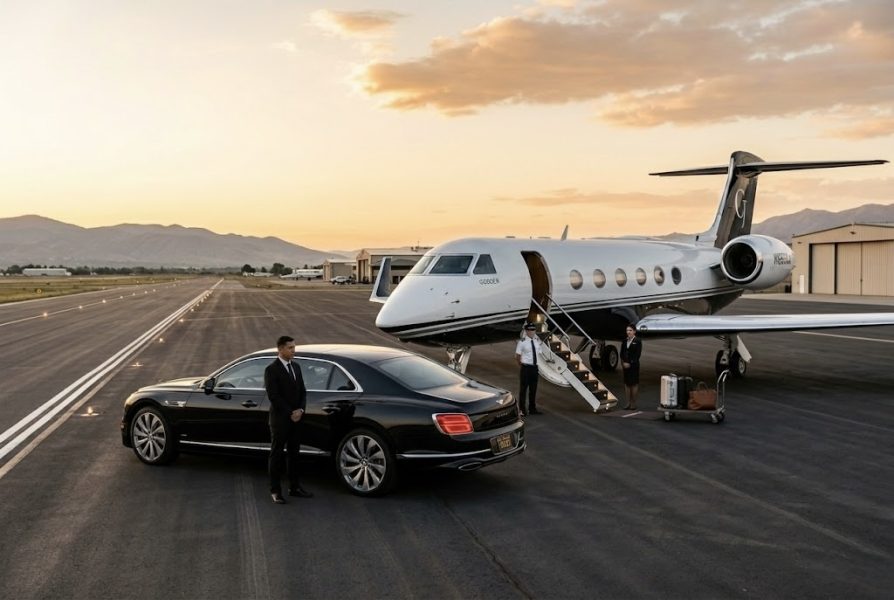
Private jets, when an entrepreneur or a tycoon decides to own one, are not merely the acquisition of a luxury means of transportation – they are investing in time, absolute privacy, and a mobile office at 40,000 feet. People often marvel at the list price ranging from 30 million to over 75 million USD for masterpieces like the Gulfstream G300 or G700. However, in the world of the elite, the purchase price is only the tip of the iceberg.
The real secret lies in the operational cash flow behind it. The ultimate question that any outstanding asset manager must ask before signing a Letter of Intent (LOI) is: “What is the actual cost to maintain this private jet for a year?” Join Wanderlust Tips to dissect the realistic financial equation from the perspective of savvy aviation experts.
Fixed costs are the amounts that the owner must pay annually to maintain the existence and legal compliance of the aircraft, even if that private jet remains stationary in the hangar. For a popular long-range private jet line like the Gulfstream G650ER or G700, this fixed cost typically ranges from 1.5 million to 2.5 million USD/year. 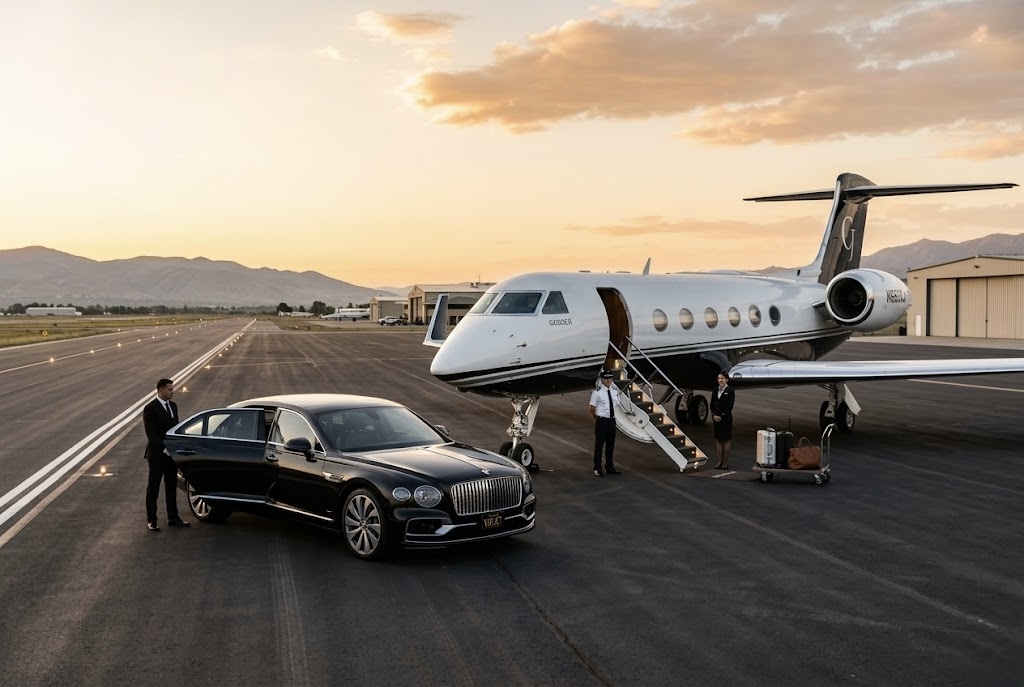
This is the cost calculated directly per actual flight hour. On average, a private jet owner in Asia flies about 200 to 400 hours per year. The average variable cost per flight hour for a long-range jet is approximately 5,000 to 9,000 USD/hour.
To take a real-life example: If you own a long-range private jet and fly about 300 hours/year, the total actual operational cost will be around 4.1 million USD per year. To shoulder the massive volume of work from calculating the duty time of the flight crew, planning ferry flights, to applying for overflight permits through national airspaces, tycoons never manage it themselves. 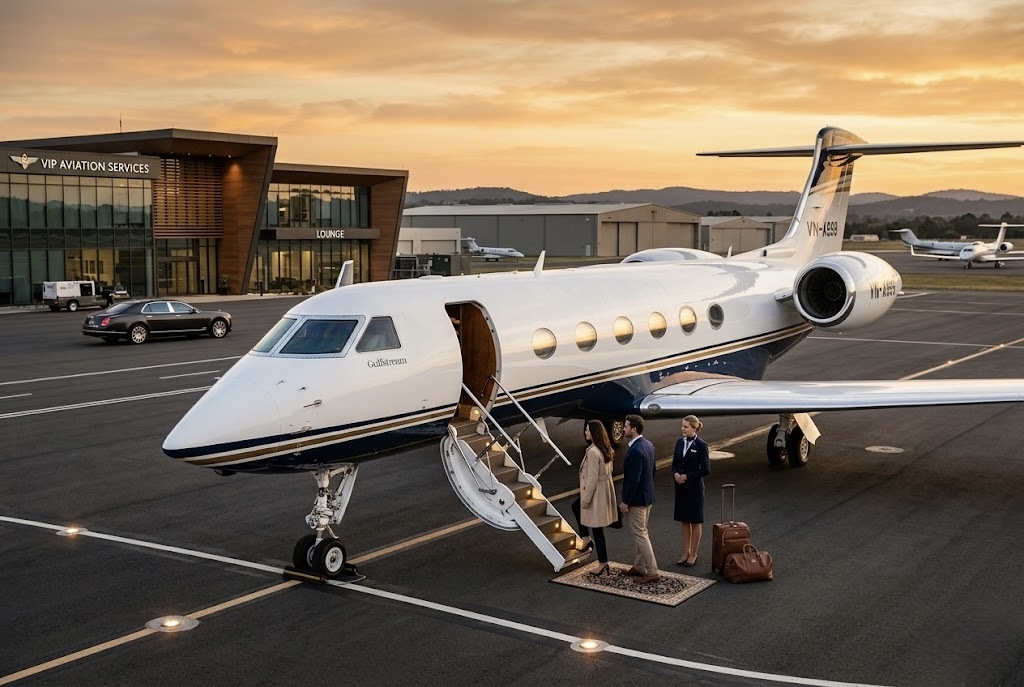 The most optimal and sophisticated solution today is to entrust the entire aircraft to a professional Aircraft Management Company. These management companies will be responsible for:
Owning a Private Jet is the pinnacle of freedom and high-level privilege, but mastering it intelligently is an artistic problem of premium asset management. A wise tycoon always clearly understands the structure of the operational cash flow so that each flight is not just a display of luxury, but a sharp tool to elevate the efficiency of their entire business empire.
The copyright of the article belongs to Wanderlust Tips Magazine and Best Airlines & Private Jets Awards. The content is professionally advised by Crystal Jets – The pioneer in private jet investment, finance, and asset management. Contact information: info@crystaljets.com
Read other article: Private Jet Ownership: The Ultimate Guide To Elite Aviation

The Best Airlines & Private Jets Awards are a globally recognized and prestigious accolade, honoring exceptional commercial airlines and private jet operators worldwide. All award titles are meticulously judged based on votes from Wanderlust Tips magazine readers and an elite panel of aviation experts, ensuring unparalleled objectivity and accuracy.
Comment Form