
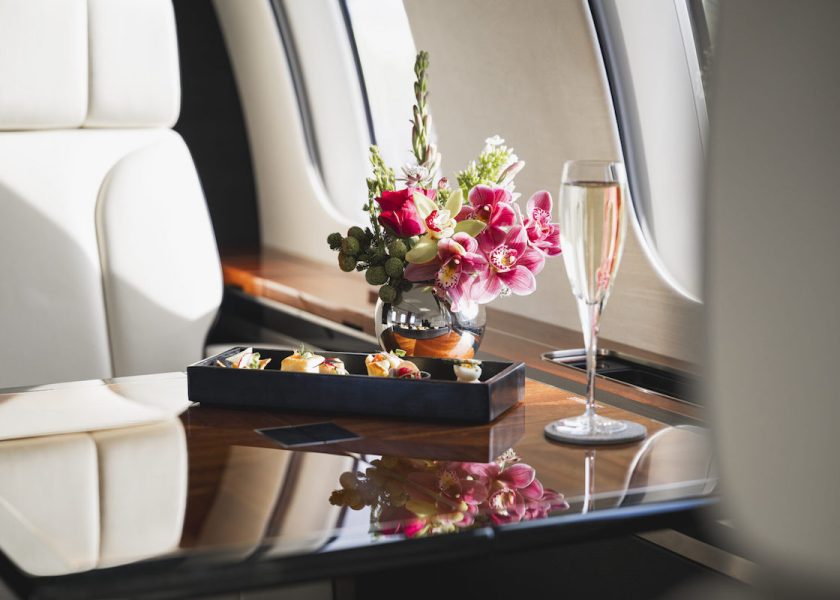
In the new era of luxury aviation, the concept of “opulence” has evolved far beyond plush leather seats and chilled Champagne. Today’s discerning owners of the sky demand something far more profound: a seamless extension of their terrestrial lifestyle to an altitude of 40,000 feet. Welcome to the world of “Flying Penthouses” – where interior designers are blurring the lines between a private aircraft and a five-star estate.
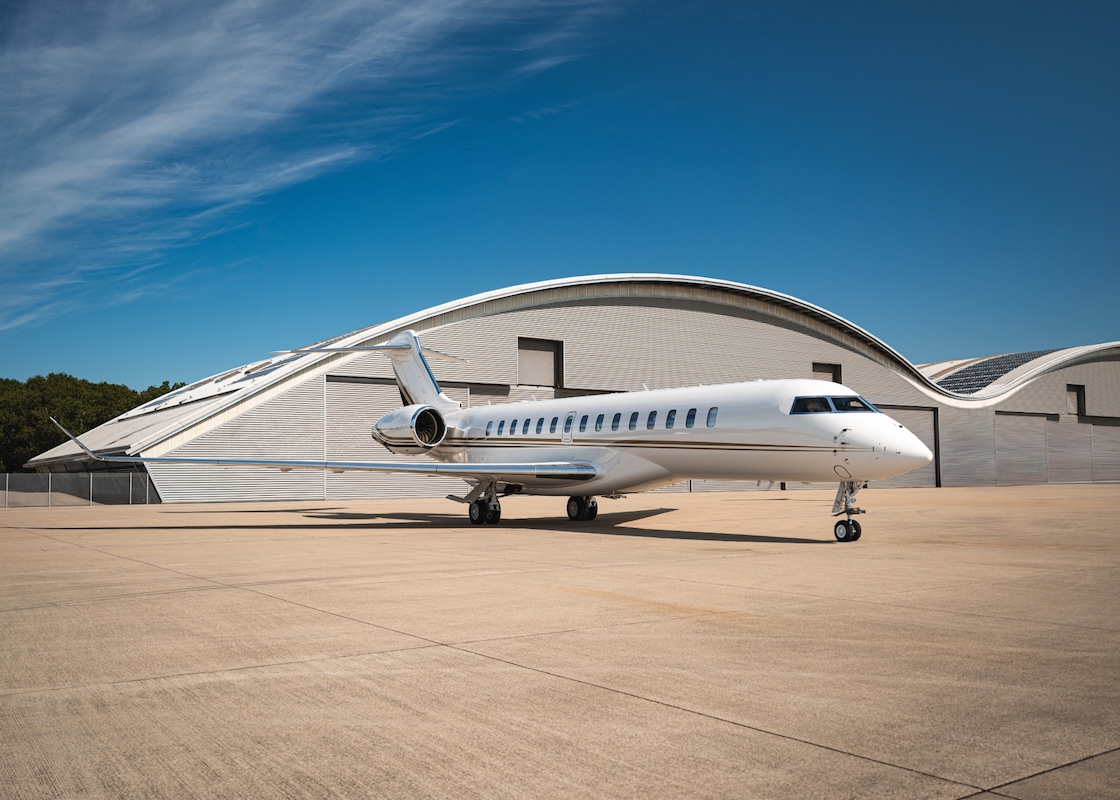
Gone are the days when private jet interiors were defined by safe, utilitarian beige leather. Today, stepping aboard a Gulfstream G700, Bombardier Global 7500, or the pinnacle Airbus ACJ TwoTwenty is akin to entering a mobile art gallery. Every stitch, wood grain, and ambient light fixture is bespoke, tailored to evoke specific emotions from the owner, transforming the aircraft from a mere mode of transport into a curated sanctuary.
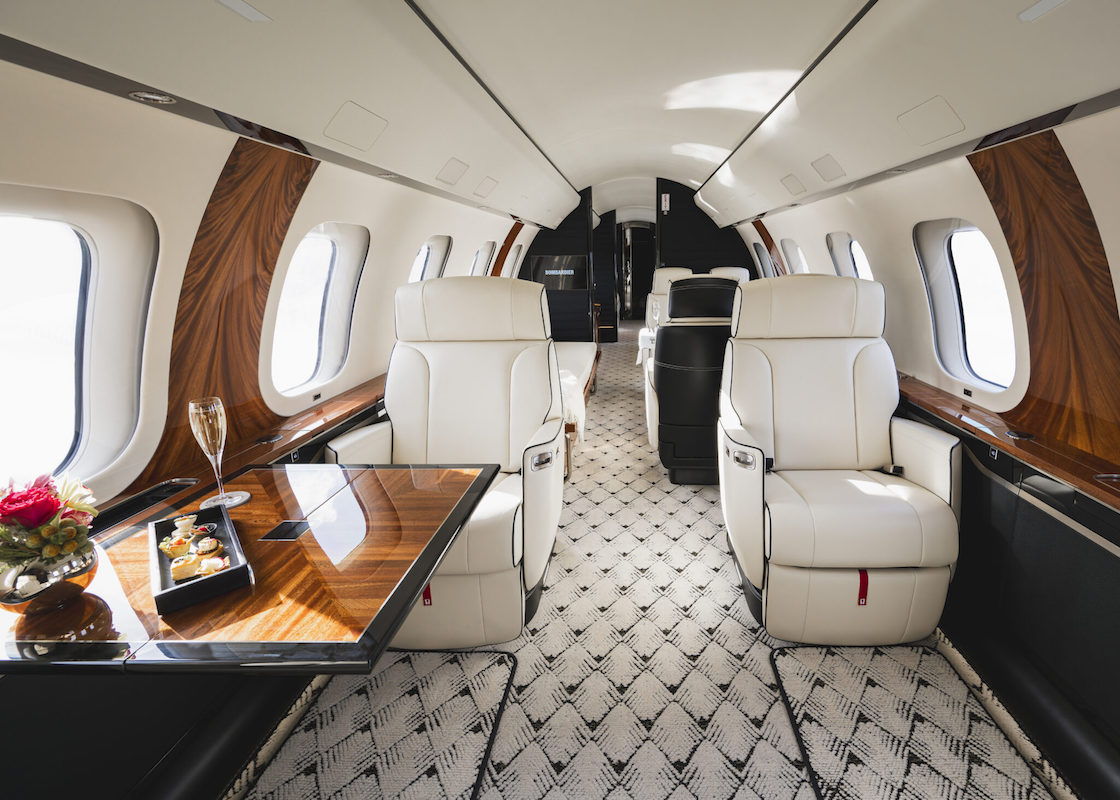
For decades, the greatest challenge in aviation interior design was the cylindrical “tube” shape of the fuselage, which often created a sense of confinement. However, modern designers have shattered this paradigm by zoning the cabin by function, mirroring the architectural flow of a ground-based penthouse.
Sylvain Mariat, Head of Creative Design at Airbus Corporate Jets (ACJ), once shared that their goal is to make passengers forget they are flying. This vision is realized in the ACJ TwoTwenty, dubbed “The Extra Large Bizjet.” With a staggering floor area of 73 square meters (approx. 785 sq. ft.), this aircraft is divided into six distinct living zones, including a Master Suite with a king-size bed, an en-suite bathroom featuring a rain shower, a dining area for eight, and even a private cinema.
This shift signifies a profound change: The aircraft is no longer a place to “wait” for arrival; it is a destination in itself.
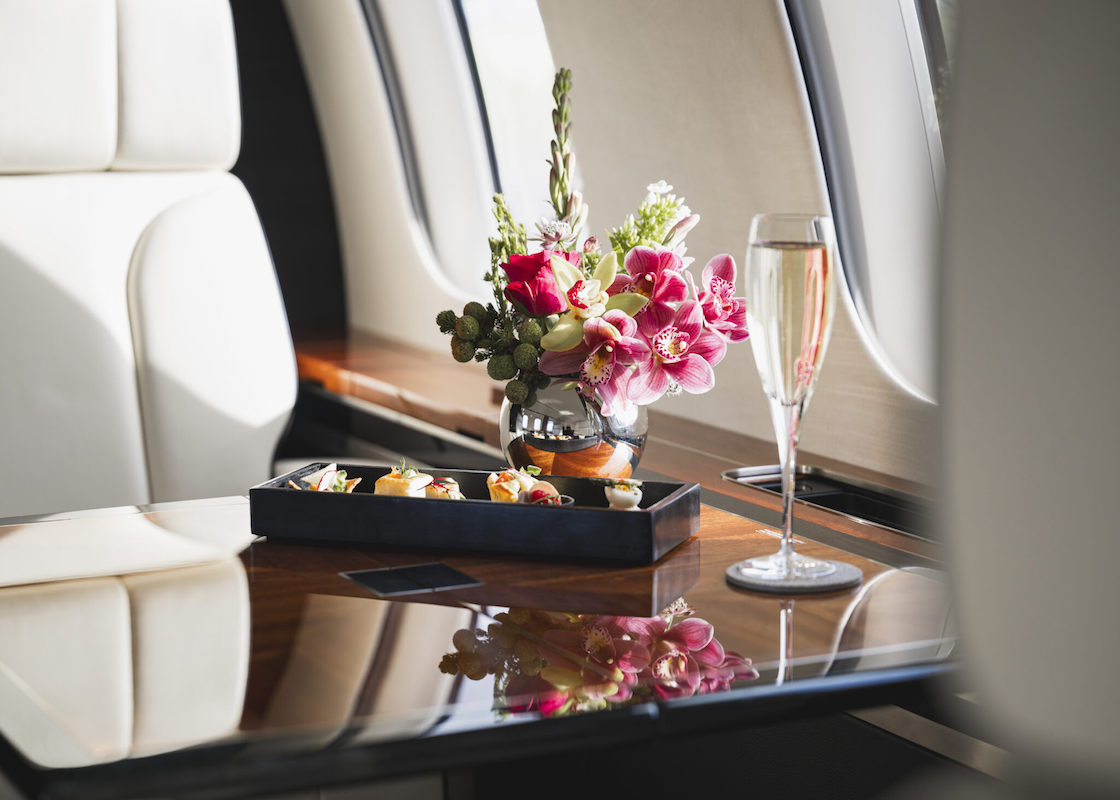
In aviation interior design, weight is the ultimate adversary. How does one introduce marble, rare woods, and cast metals into a cabin without compromising range and fuel efficiency? This is where cutting-edge technology meets artisanal craftsmanship.
World-class artisans have developed extraordinary fabrication techniques. Marble and granite are sliced into veneers mere millimeters thick, then reinforced onto ultra-lightweight aluminum honeycomb cores. The result is a surface that retains the timeless beauty and cool touch of natural stone but weighs a fraction of the original.
Wood veneers are selected from the rarest trees and treated to withstand extreme humidity fluctuations at altitude. Carpets are often hand-tufted from the finest silk and cashmere to provide the ultimate tactile experience for bare feet. Renowned fashion houses like Loro Piana and Hermès are frequently commissioned to upholster seats and dress bulkheads, ensuring that the passenger’s tactile sense is always indulged by the softest materials.
If materials represent tangible luxury, then wellness technology is its invisible, priceless counterpart. Modern “Flying Penthouses” are equipped with the most advanced Cabin Management Systems (CMS).
The crown jewel of this technology is Circadian Lighting. Intelligent LED systems simulate the natural progression of sunlight from sunrise to sunset, automatically adjusting color temperature to synchronize with the passenger’s biological clock. This significantly mitigates jet lag after transcontinental flights, allowing executives to deplane feeling refreshed and energized.
Furthermore, Cabin Altitude has undergone a revolution. On flagship aircraft like the Gulfstream G700, the cabin altitude is maintained at an industry-leading low (simulating an altitude of under 3,000 feet while cruising at 41,000 feet), combined with 100% fresh, plasma-ionized air. This means passengers breathe air as pristine and oxygen-rich as a mountain resort, rather than the dry, recycled air typical of commercial aviation.
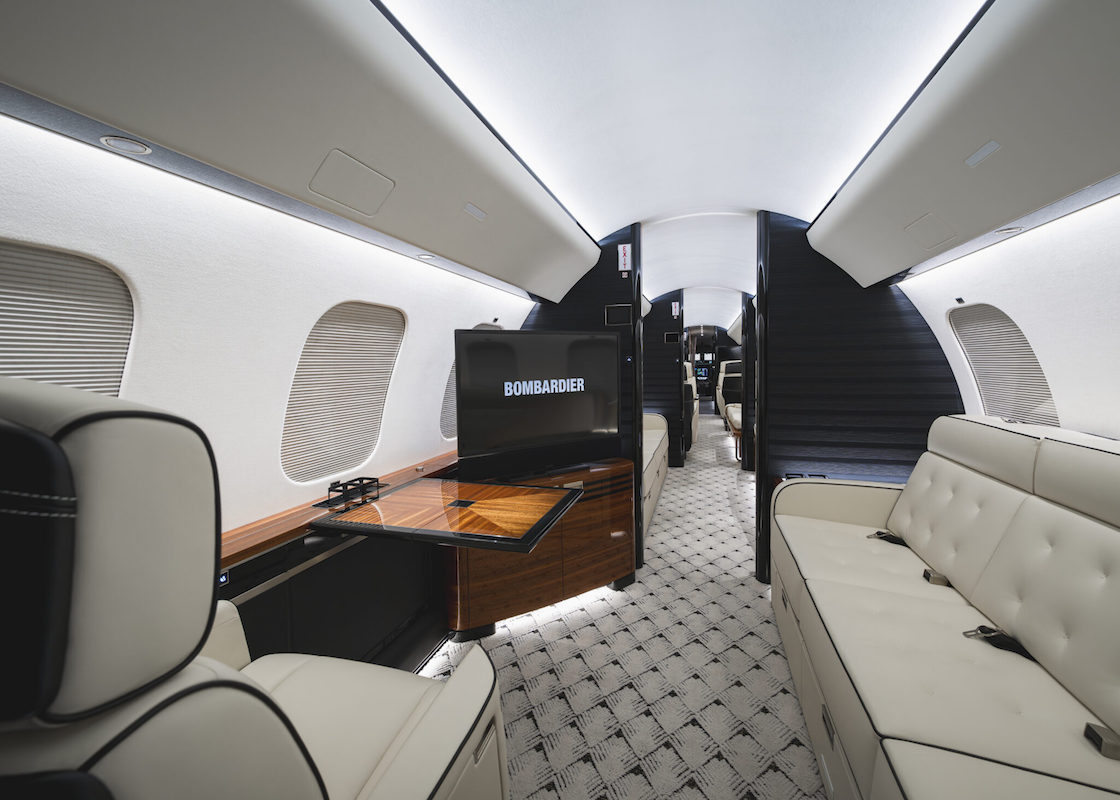
The final, and perhaps most crucial element in transforming a jet into a “Flying Penthouse,” is extreme personalization. In the Ultra-Luxury segment, no two jets are alike.
Completion Centers in Europe and the US have turned the impossible into reality. From designing an airborne art gallery with strict humidity controls to protect oil paintings, to installing a fully equipped gym, or a piano bar featuring a customized instrument dampened against vibration.
Even design aesthetics are limitless. Some owners favor the roaring Art Deco style of the 1920s, while others opt for a minimalist Japandi approach with light oak and earth tones, or even a Cyberpunk aesthetic featuring neon accents and polished metals.
In this new era, private jets have transcended their definition as mere high-speed transport. Through the talented hands of interior designers, they have become masterpieces—curated living spaces that reflect the unique identity of their owners.
At the Best Airlines & Private Jets Awards, we celebrate not only powerful propulsion and range but also the exquisite interior innovations that are redefining high-altitude living. For the elite traveler, the journey is as significant as the destination, and “home” should never be confined by terrestrial boundaries.

The Best Airlines & Private Jets Awards are a globally recognized and prestigious accolade, honoring exceptional commercial airlines and private jet operators worldwide. All award titles are meticulously judged based on votes from Wanderlust Tips magazine readers and an elite panel of aviation experts, ensuring unparalleled objectivity and accuracy.
Comment Form